The Blessed Ten Days of Dhu’l-Hijja
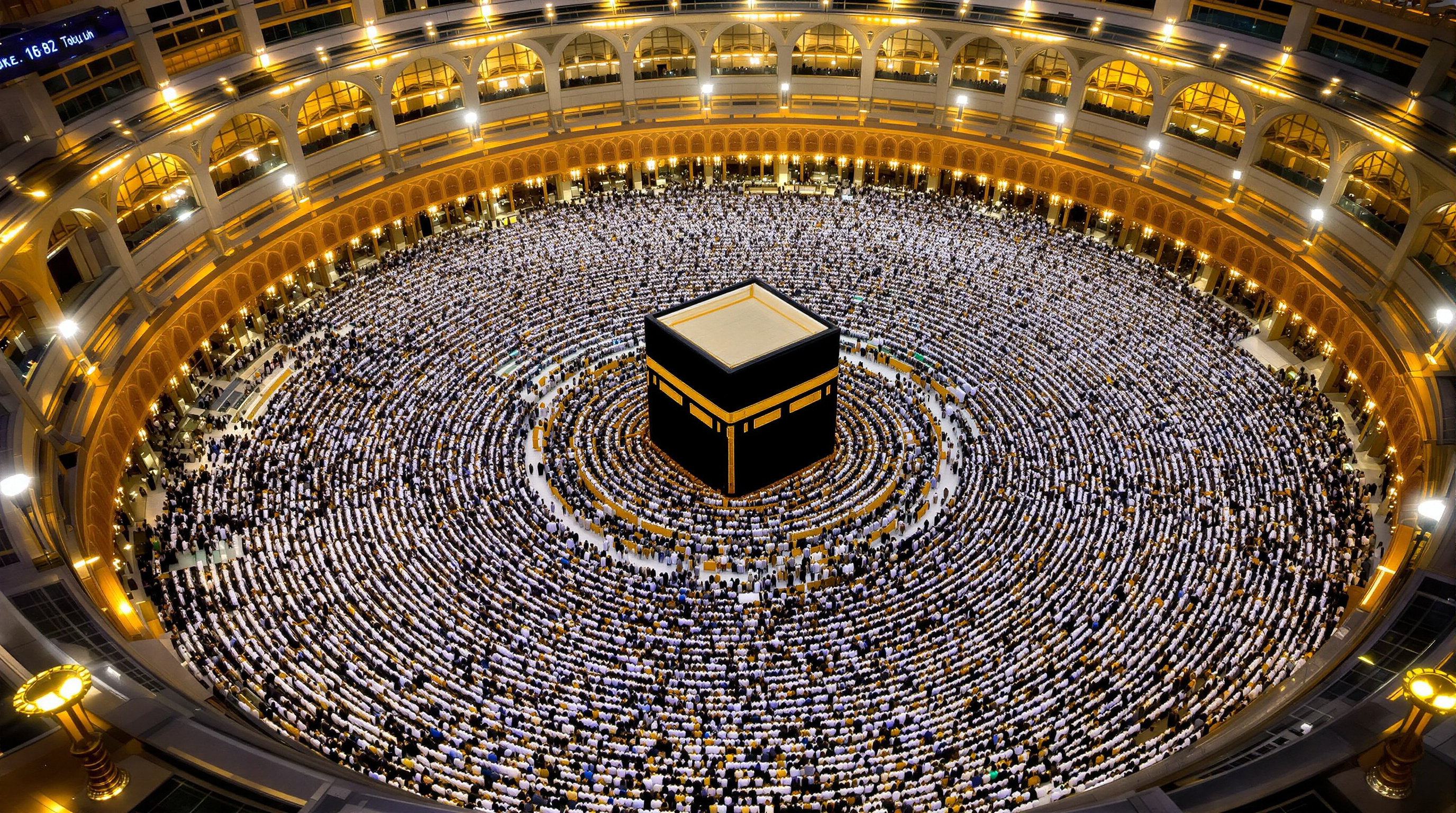
The Messenger of Allah ﷺ informed us: “There are no days in which righteous actions are more beloved to Allah than these days.” He was speaking of the first ten days of the Islamic month of Dhu’l-Hijja — the month of the annual pilgrimage to Mecca. The scholars of Islam have concluded that these ten days are the most blessed days of the entire Islamic year.
Why These Days Are So Special
- Allah swears by them in the Quran: “By the dawn; and the ten nights” (Quran 89:1-2). When Allah swears by something in His Book, it is a sign of the immense value of that thing.
- Superior to the last ten days of Ramadan: The scholars have ruled that the days of Dhu’l-Hijja are better than the final ten days of Ramadan, though the nights of Ramadan are more excellent.
- Multiplied reward: The reward for all righteous actions in these days is multiplied seven hundred times.
The Greatest Day: The Day of Arafat
Within these ten blessed days, the ninth — the Day of Arafat — is singled out as the greatest day of the entire Islamic year. The Prophet ﷺ said that fasting on the Day of Arafat expiates the sins of the previous year and the coming year. This is one of the most significant single acts of worship available to every Muslim, regardless of whether they are on Hajj.
Recommended Acts
- Fasting — particularly on the Day of Arafat (9th of Dhu’l-Hijja)
- Dhikr and takbir: Abundant remembrance of Allah including the takbir (Allahu Akbar), tahlil (La ilaha illallah), and tahmid (Alhamdulillah)
- Prayer: Increasing voluntary prayers beyond the obligatory five
- Charity (sadaqa): Giving generously in this blessed time
- Quran recitation: Increasing one’s daily recitation
The Eid al-Adha
The tenth day of Dhu’l-Hijja is Eid al-Adha — the Festival of Sacrifice. On this day, Muslims who are not performing Hajj offer an animal sacrifice (udhiya/qurbani) in remembrance of the Prophet Ibrahim’s ﷺ willingness to sacrifice his son for Allah’s sake.
According to traditional Islamic guidance preserved by classical scholars, the most important thing is sincerity — ensuring that our worship in these days comes from genuine love and gratitude to Allah. For more, explore our Ramadan preparation guide and the Courses section.