Seeking Allah’s Gaze: Welcoming Ramadan
In the Name of Allah, Most Merciful and Compassionate. Praise is for Allah, Lord of the Worlds.
As the blessed month of Ramadan approaches — the month in which the Quran was revealed, the month of forgiveness and mercy — we turn our attention not only to the physical preparations but to the deeper preparation: the preparation of the heart.
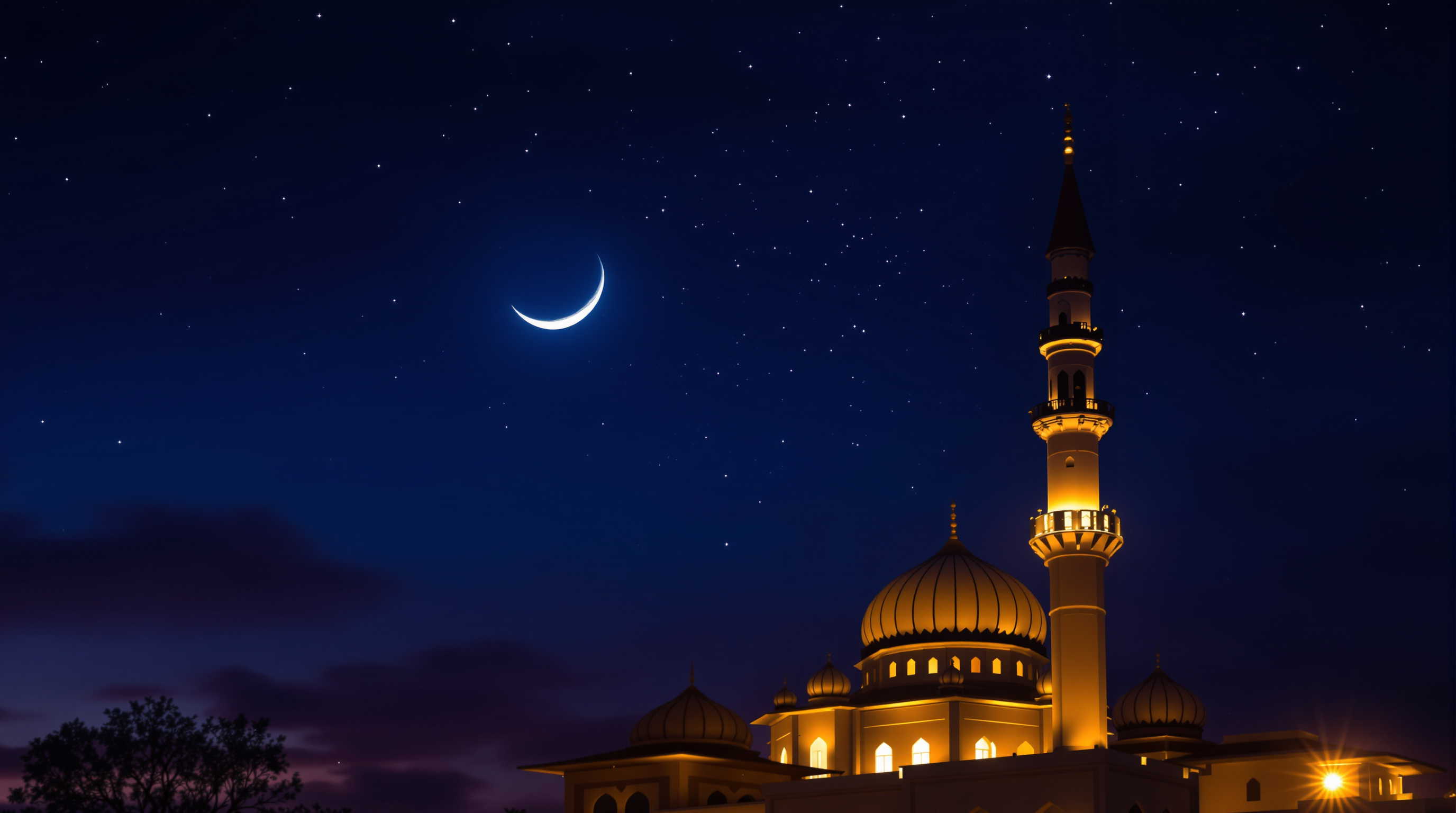
Allah’s Gaze and What It Requires
The great hadith scholar al-Baihaqi relates: “When it is the first night of the month of Ramadan, Allah, Mighty and Majestic, gazes to them and the one to whom Allah looks, He does not punish him, ever.” The place to which Allah looks — the place in which this gaze falls and takes effect — is the heart.
The question we must ask ourselves as Ramadan approaches: what will Allah see in our hearts if He were to look at us on that first blessed night? What occupies our hearts, and what are we cultivating there? This is the essential spiritual preparation for Ramadan.
The Disease of Malice
Among the qualities that prevent a person from receiving Allah’s mercy is malice and rancor toward other believers. The Prophet Muhammad ﷺ, in narrations concerning the Night of Power (Laylat al-Qadr) and the blessed night of mid-Sha’ban, taught that those who harbor rancor in their hearts, mistreat their parents, sever bonds of kinship, or fall into major sins are excluded from the mercy that descends on these nights.
This is a sobering reminder. The outer forms of worship — the fasting, the night prayers, the Quran recitation — are essential. But they must be accompanied by the inner work of purifying the heart. As Imam al-Ghazali wrote in his great work Ihya Ulum al-Din, outer worship without inner purification is like a body without a soul.
Practical Preparations for Ramadan
The scholars of Islam have outlined several ways to prepare the heart and spirit for the arrival of Ramadan:
- Seek forgiveness and reconciliation: Make sincere tawba for past wrongdoings, and if you have wronged anyone, seek to make it right before the month begins.
- Renew your intentions: Is your fasting a genuine act of worship and love for Allah, or merely cultural habit? A renewed intention purifies the act.
- Begin increasing worship in Sha’ban: The Prophet ﷺ used to fast extensively in the month before Ramadan as spiritual preparation.
- Recite abundant salawat: The more we connect our hearts to the Messenger ﷺ, the more we can access the spiritual benefit that flows through him to his community.
- Attend gatherings of knowledge and dhikr: The months leading up to Ramadan are ideal for increasing one’s attendance at Islamic learning circles.
The Heart: Center of Worship
In the Islamic tradition, the heart (qalb) is the organ of spiritual perception. When the heart is clean — free from spiritual diseases like arrogance, envy, and malice — it becomes a mirror in which the light of divine awareness is reflected.
Ramadan is the annual invitation to deep-clean the heart. The Prophet ﷺ said that fasting is a shield — not only against sin, but against the spiritual diseases that darken the heart. Used well, the hunger and thirst of fasting, the night prayers, and the immersion in Quran can transform the condition of the heart.
According to the classical Islamic scholarly tradition, the greatest gift of Ramadan is not the reward of fasting per se, but the opportunity it provides to draw genuinely close to Allah — to taste something of that direct awareness of the Divine that is the goal of every sincere Muslim’s life.
Making the Most of Ramadan
As you prepare for this blessed month, we encourage you to explore the spiritual resources on this site — particularly the Book of Assistance course, and the teachings on repentance, hope, and fear. These classical texts can serve as companions throughout the month, guiding the inner work that makes Ramadan truly transformative.
May Allah grant us Ramadan with sound bodies, well-prepared hearts, and the tawfiq to make the most of every blessed moment. Ameen.