Raising Children in Islam: Tarbiya, Intention, and Adab
The Arabic word tarbiya — literally “nurturing” or “cultivation” — is the Islamic term for the upbringing and formation of children. In the Islamic tradition, tarbiya is understood as one of the most important responsibilities that parents bear before Allah. It is not merely about providing physical sustenance and education, but about forming a human being whose heart, character, and conduct are pleasing to Allah and beneficial to the community.
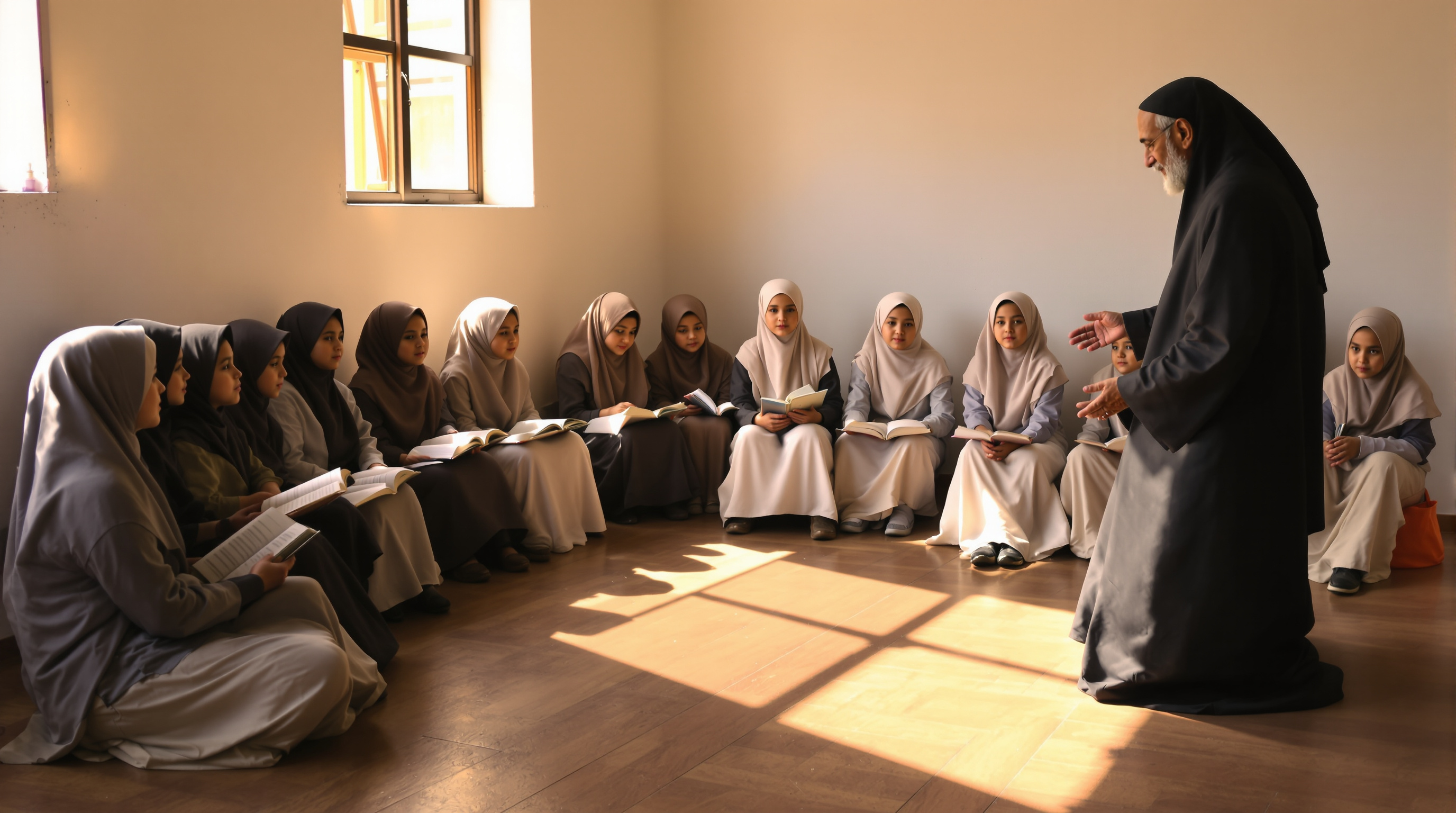
Two Pillars of Islamic Child-Rearing
1. Intention (Niyya)
The Hadrami scholars say of their ancestors that “they would teach children to make intentions just as they would teach them the Fatiha.” Before a child learns to recite the opening chapter of the Quran, they were taught to make an intention: to frame their actions as acts oriented toward Allah.
The Prophet Muhammad ﷺ said: “Actions are by intentions, and for every person is what they intended.” A child who learns from early childhood to make intentions develops a habit of heart that will serve them throughout their life — saying bismillah before eating, al-hamdulillah after, intending their sleep as rest for worship, their studies as service to Allah and the community.
2. Comportment and Manners (Adab)
Adab — Islamic comportment, manners, and proper conduct — is the second pillar. The Prophet ﷺ said: “My Lord educated me in adab, and how excellent was His education of me.”
Adab toward Allah is expressed through worship performed with full presence and respect. Adab toward parents, teachers, elders, and all of creation is expressed through kindness, respect, and service. A child raised in adab carries within them a quality that the scholars describe as one of the highest forms of Islamic character.
The Role of the Learning Environment
The Prophet ﷺ said: “A person is on the religion of their close companion.” Good company — righteous friends, qualified teachers, a community of learning and practice — is one of the most powerful influences on a child’s development. Institutions like Zaytuna College and traditional Islamic schools embody this vision of integrated Islamic education.
The Parent as Model
Perhaps the most important influence on a child’s religious formation is the parents themselves. Children learn not primarily from what they are told but from what they observe in those closest to them. A parent who prays with presence and love, who treats others with compassion and fairness, who speaks of Allah with reverence and gratitude — that parent is giving their child the most powerful Islamic education possible.
For more on Islamic character and conduct, explore the Courses section and the Resources page for recommended texts on Islamic child-rearing and family life.