My Soul Is Your Ransom: Lessons in Adab from the Scholars
One of the most beautiful qualities of the classical Islamic scholarly tradition is the depth of love, respect, and adab (proper conduct) that scholars demonstrated toward one another. These are not merely historical anecdotes — they are models for Muslim community life today, reminders of what the bonds of Islamic brotherhood and sisterhood are meant to look like when they are grounded in shared love for Allah and His Messenger ﷺ.
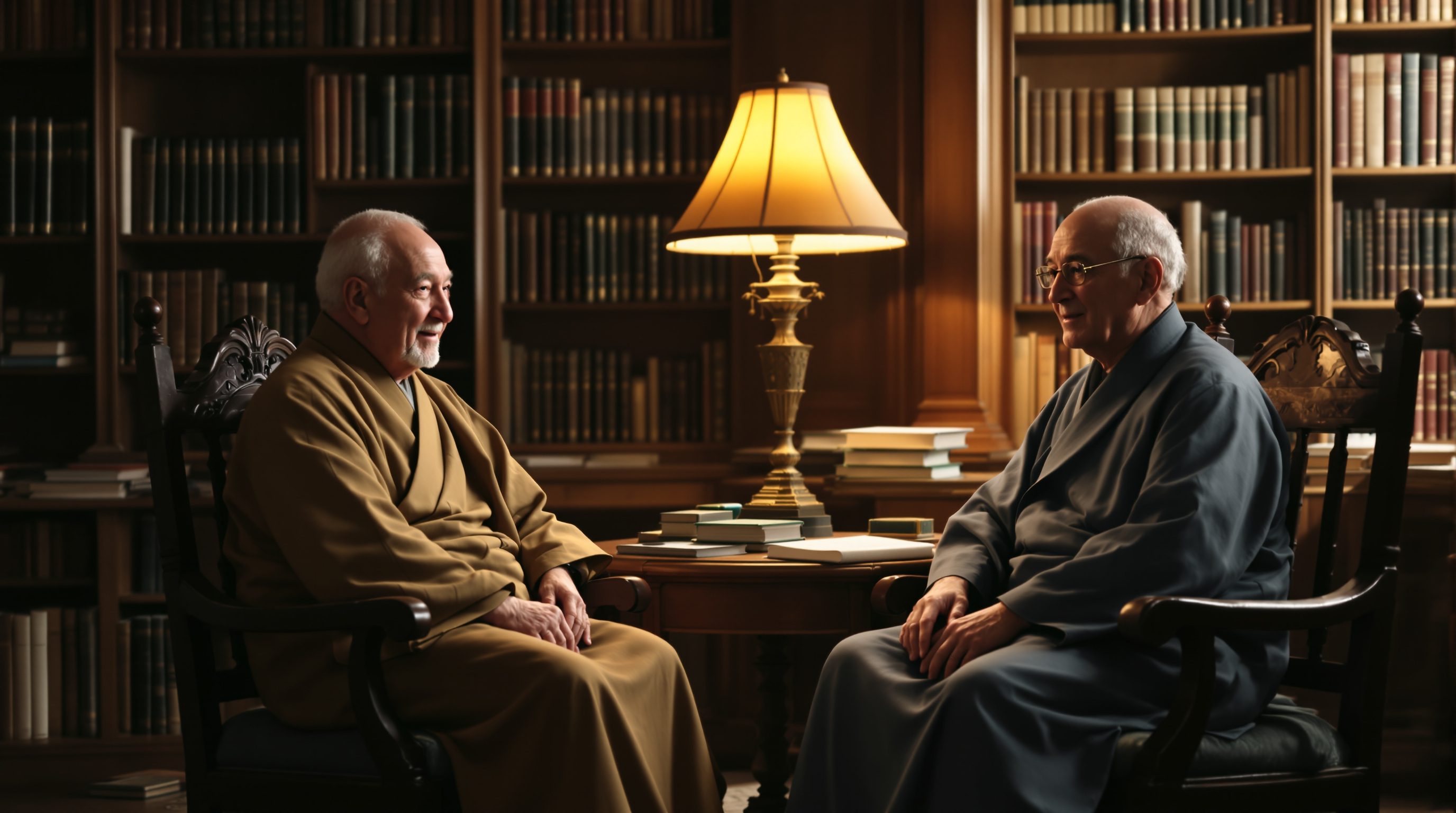
The Transmission of the Islamic Trust
Among the stories that illuminate this tradition of adab is an account from the Ba‘Alawi tradition. Habib Muhammad bin Salim bin Hafiz, a great scholar, disappeared in Yemen in 1382 AH (1962 CE). The scholars of southern Yemen at that time were required to sign a registry each day under a restrictive political regime. Before the Friday Prayer one day, Habib Muhammad left to sign the registry. One who accompanied him remembers his father’s final gaze — a look of deep love, farewell, and spiritual trust — before he departed and did not return. The young man returned home carrying only his father’s mantel (rida’) and the trust of bearing the prophetic message that had been firmly planted in him even at a young age.
This story teaches something profound about the transmission of the Islamic trust — how knowledge, character, and the prophetic inheritance pass from generation to generation through love and sacrifice, through gaze and companionship, through the wordless transmission of a heart to a heart.
What Adab Between Scholars Teaches Us
When scholars meet one another with immense love and respect — when they honor one another’s lineage, knowledge, and spiritual standing — they are modeling something the Quran commands and the Prophet ﷺ exemplified. The Prophet ﷺ said: “The believer is the mirror of the believer.”
The adab of Islamic scholarship includes:
- Honoring the chain of transmission: Scholars trace their knowledge back through their teachers to the Prophet ﷺ — each link in the chain is honored
- Visiting and honoring scholars: The classical scholars would travel great distances to visit and learn from one another
- Giving abundant credit: A scholar acknowledges publicly the debt they owe to their teachers
- Love for Allah’s sake: The foundation of all these bonds is love for Allah — relationships built on this foundation have a quality and permanence that worldly friendships lack
Lessons for Contemporary Muslim Community Life
The contemporary Muslim community faces distinctive challenges — fragmentation, disagreement, the influence of social media, and the pressures of secular culture. In this environment, the examples of adab from the classical tradition are more relevant than ever.
Several practical lessons emerge:
- Honor the scholars — even when we disagree with specific rulings, honoring them is an Islamic obligation and a source of blessing
- Build bonds of genuine brotherhood/sisterhood — real relationships built on shared love for Allah
- Maintain the chain — find qualified teachers, study the classical texts, participate in learning circles
The classical Islamic tradition preserved through institutions around the world continues to model these qualities. Explore our About page and the Resources section for more.